


Throughout most of history, 4.5 billion years to be exact, Mother Earth has been exceptionally skilled in evolving and adapting to its own path.
Then we came – the homo sapiens. And in a fraction of that time, we’ve developed our ability to alter the physical environment to suit us.
We cut down forests. We created new (dangerous) chemicals. We destroyed natural swamplands. We overfished the waters. These, and much more, are chipping away at the life support system we depend on.
In response to the onslaught of environmental and social dilemmas we face, and the regular introduction of regulations, the idea of planetary boundaries has taken the spotlight as a key framework for grasping and addressing our footprint on Earth.
Matching up human activity against Earth’s processes
To start, let’s make sure we all understand the concept.
In the mid-2000s, Johan Rockström, the Founding Director of Sweden’s Stockholm Resilience Centre, brought together a team of experts from around the globe. For what? To figure out just how much people can do on (and to) the planet before we go over the edge; define where our boundaries lie on this big blue marble we call home.
When you think about it, problems like global warming and biodiversity loss are relatively new. And they’re largely the result of industrialization, globalization, and a global population that ballooned from 1.6 billion to over 8 billion in only 124 years. Reckless progress comes at a price. Shocking.
So in 2009, the Planetary Boundaries Framework was unveiled. It pinpoints the crucial processes, all affected by human activity, that could cause permanent environmental damage if we’re not careful. And, where those safe zones end.
Essentially, it’s a necessary reality check. A science-based GPS for navigating Earth’s limits, if you will. It sets the stage for development while ensuring we don’t push things too far. If we stay within the lines, we keep the planet healthy and livable for current and future generations.
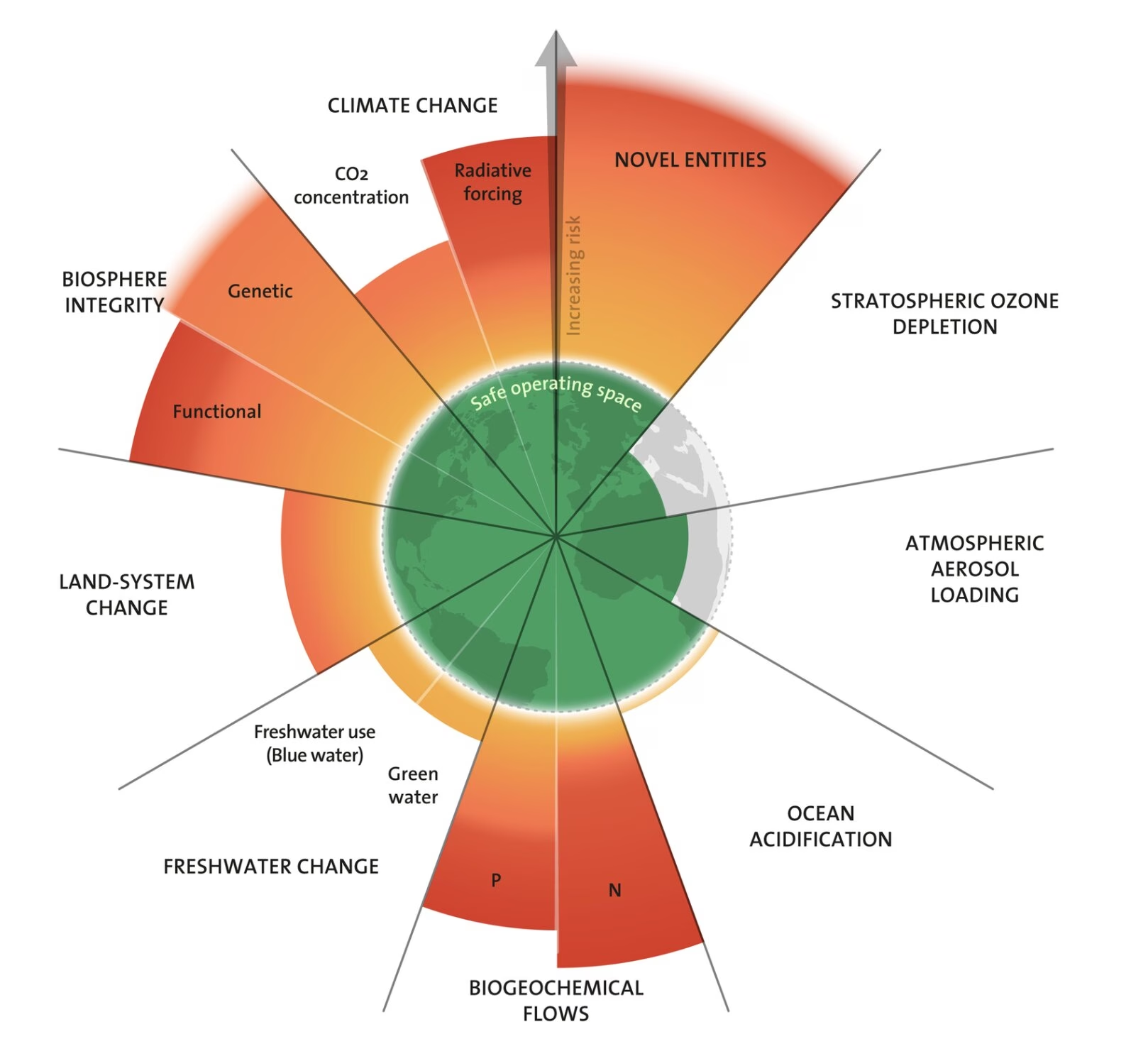
Note, the framework is also a great visual tool for scientists to communicate to policymakers and business leaders how the physical environment reacts to the pressure we humans exert.
The nine boundaries explained
The first time they were proposed, only seven boundaries were identified. Now there are nine.
Here’s a quick explanation of each one:
- Climate change – major long-term changes in temperatures and weather patterns.
- Stratospheric ozone depletion – the thinning of the ozone layer, caused mainly by manmade chemicals like CFCs.
- Atmospheric aerosol loading – particle concentration in the atmosphere (related to air pollutants).
- Ocean acidification – the ocean’s pH balance, which increases when there’s too much carbon dioxide in the atmosphere dissolving into seawater.
- Biogeochemical flows – the nitrogen and phosphorus cycles, influenced greatly by fertilisers and factories’ emissions.
- Freshwater change – the availability of blue water (visible in rivers, lakes, etc.) and green water (invisibly stored in soil and plants in farms, forests etc.).
- Land system change – how much forest we still have covering the Earth’s surface.
- Biosphere integrity – overall ecosystem health, linked to biodiversity loss and species extinction.
- Novel entities – the presence and buildup of foreign chemical compounds (like microplastics).

While climate change is the sustainability topic that gets the most screentime, the nine show us that Earth’s strength stetches much farther. Multiple systems and processes are in play and interconnected. If one is out of balance, another tends to follow suit.
Will there be more boundaries to add to the current roster of 9? If so, we’d venture ‘AI interference’ – to define the fragile frontier between artificial intelligence’s enhancement or depletion of the planet – and its humans. Wouldn’t that make sense?
Why planetary boundaries matter
The importance of respecting planetary boundaries can’t be overstated.
We’ve lost one-third of the world’s forests since the last ice age 10,000 years ago. Plastics are a massive waste problem. But now microplastics are damaging air quality, marine life, the entire food chain, and even human DNA. Plus, we’re close to losing nearly a third of all assessed species.
Staying below the thresholds is vital for safeguarding our ecosystems, ensuring the availability of essential resources, and minimizing the effects of climate change. Exceeding them leads to and worsens problems like biodiversity loss, ocean acidification, and deforestation. At some point, these also influence global stability, public health, and economic prosperity.
To convince any remaining naysayers, here are a few more figures. When we mess with nature, we’re putting at risk the very resources that fuel about half of the world’s economy, amounting to a staggering $44 trillion. Losing wild pollinators, food from marine fisheries, and precious timber from forests – just a sliver of nature’s bounty – could slash global GDP by a whopping $2.7 trillion in 2030.
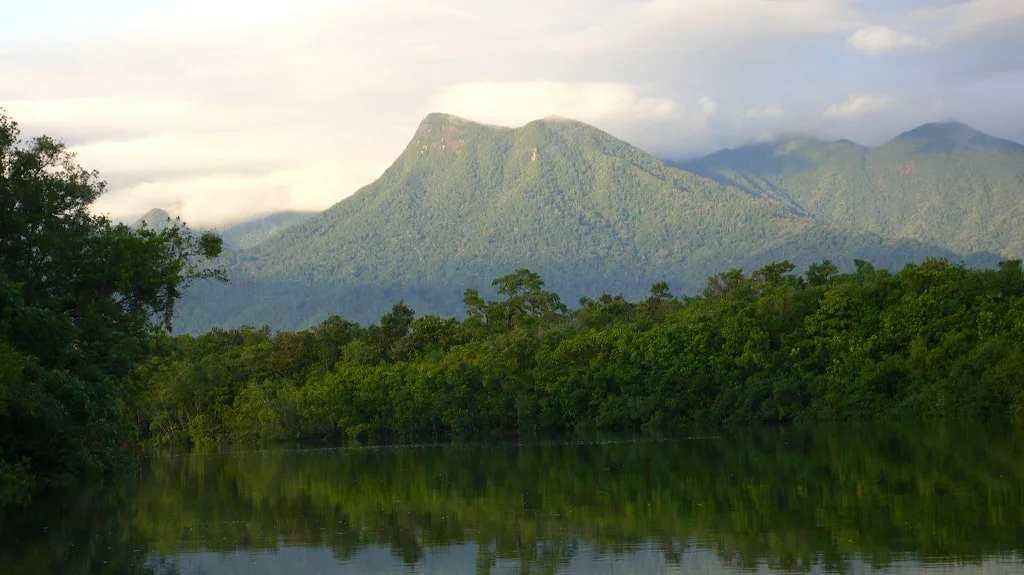
We rely heavily on the Earth to provide essential benefits that make the foundations of societies. However, these systems are often undervalued and taken for granted.
Ultimately, these boundaries are about survival. But before that point, the boundary lines adumbrate the ability for societies to live in relative peace, harmony and plenty. The more these lines are crossed, and by how far, defines how closely life could start to resemble a storyline from a disaster movie.
The role of businesses
Organizations hold a lot of sway over the planet’s well-being.
Their activities impact resource use, pollution levels, and greenhouse gas emissions, linking them closely to the Planetary Boundaries. Neglecting them can expose businesses to risks, including damage to their reputation, disruptions in supply chains, and heightened regulatory scrutiny. We see a lot of this happening already.
But those that actively engage with planetary boundaries can discover unique opportunities for growth and a kinder way to success.
Corporations also hold a lot of influence towards what governments do – through lobbying and other shadowy interactions with power. So the more ethical the world’s companies are, the more pristine a planet we’ll have.
So, how are we doing?
Simply put, not great.
The most recent update from Stockholm Resilience Centre came in 2025. This latest update revealed that we have passed one additional boundary beyond the 2023 update: Ocean acidification. With this new boundary exceeded, we’ve now past seven of the nine. Only two boundaries remain in the safe zone: Atmospheric aerosol loading and Stratospheric ozone depletion.
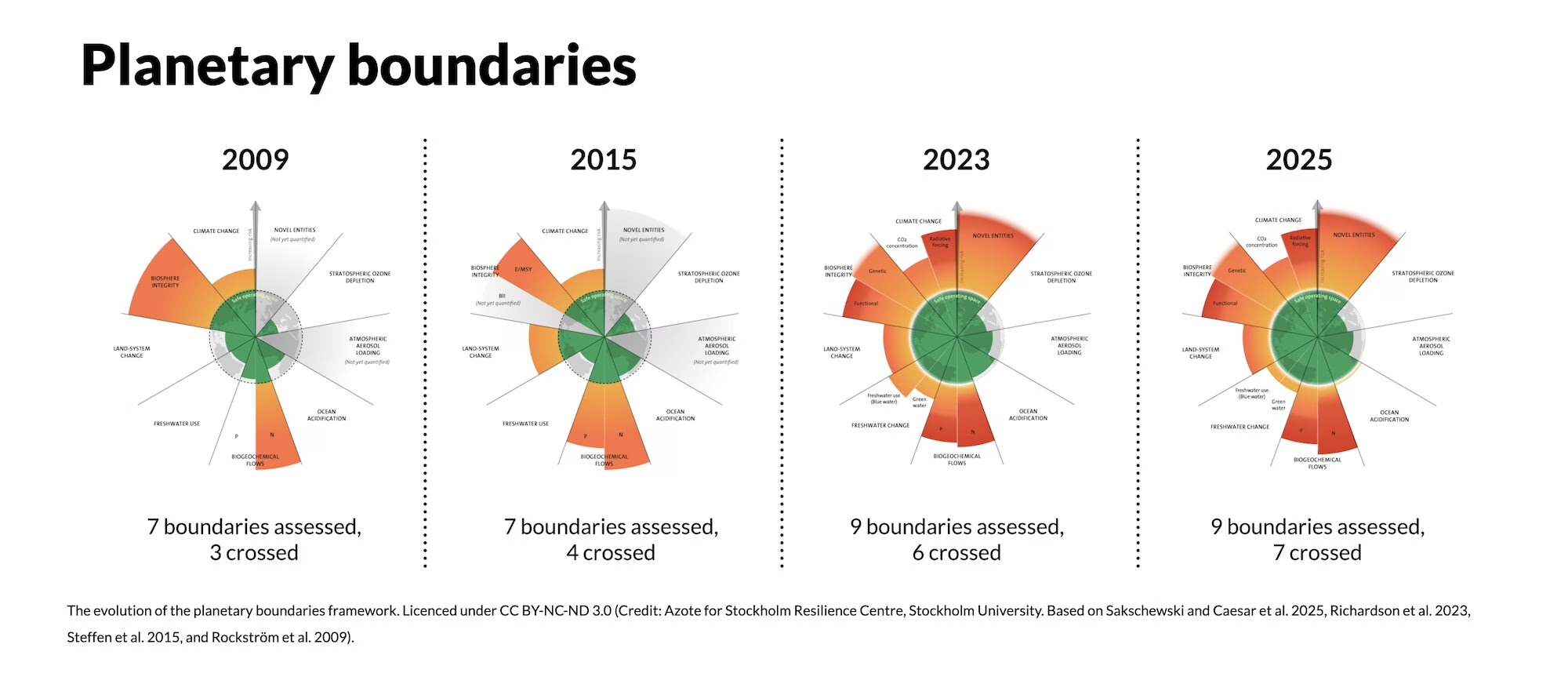
Keep in mind that crossing a boundary doesn’t lead to mayhem overnight. But it does signal a crucial tipping point. Or in this case, several tipping points.
The unfortunate truth is that it’s easy to coast through life without fully grasping the bigger picture, especially for those who aren’t immediately suffering from severe climate change. When we zoom out and tally up our collective impact, the truth becomes crystal clear. We’re gnawing away at the very systems that keep us alive. And if we continue this way, we’re gambling on a major, potentially irreversible shift in the way the Earth works.
Does crossing all nine boundaries mean the end of the planet?
No – while planetary boundaries describe what’s happening on the planet, the main subject is not the planet itself but us. A planet where all nine of its boundaries have been breached could resemble an increasingly uninhabitable ‘Hothouse Earth’ where society would be stressed, eventually reaching breaking point. Imagine a post-apocalyptic Mad Max scenario.
And yet, the planet itself would prevail. Planet Earth has survived several mass extinction events and if our time in history – the Holocene – ends then other forms of life would emerge to fill ecological niches. Goodbye humans. Hello, something new.
A framework to guide the Holocene:
By using the planetary boundaries approach, we broaden our perspective beyond solely CO2 emissions, seeing the bigger picture of Earth’s biophysical systems.
The latest assessment drives home the intensity and intricacy of links between people and planet. It’s a roadmap for us to get serious about protecting, reviving, and bolstering our relationship with Earth.
The data in this post may not inspire much optimism but to end on a less gloomy note, let’s remember that crossing a boundary doesn’t necessarily mean reaching the point of no return. We can go into reverse with urgent, systemic transformations and cross back into the safe zones. But we are running out of time: the sooner we tackle the other boundaries like we did with ozone depletion, the better off we’ll all be.



Leave a Reply